
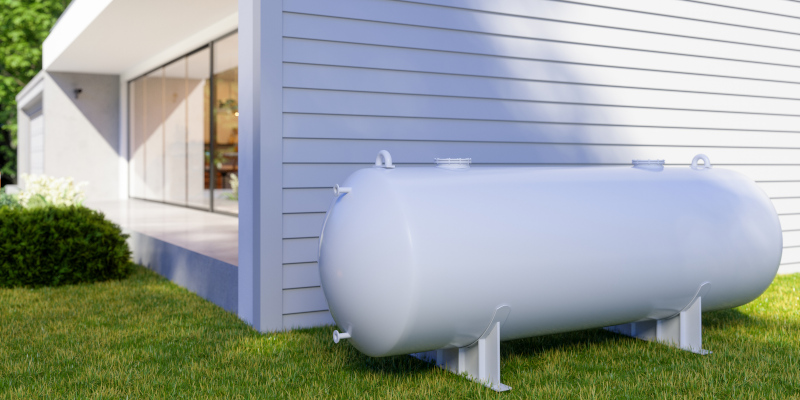
When it comes to using propane tanks to power homes and businesses, size is an important factor to consider. Choosing the appropriate propane tank size affects everything from efficiency and convenience to cost savings and safety.
Matching Capacity and Demand
A household that solely uses propane for cooking will have different requirements than a business that uses it to run the heating system, appliances, and backup generators. Meanwhile, smaller household tanks may be adequate for heating and hot water in the average home, while larger homes need larger propane tanks to hold enough fuel to cover peak demand without the need for regular refilling.
Fewer Deliveries and Lower Costs
Larger tanks typically require fewer refills, resulting in a lower risk of running out of propane during key moments. For businesses, this might be the difference between uninterrupted operations and costly downtime. The same can be said for homeowners who regularly have long-term guests.
Space and Safety Considerations
Propane tanks require adequate clearance for safety, and municipal rules may limit where they can be installed. With this in mind, it is essential to work with a knowledgeable and experienced team to make sure your tank is compliant.
Long-term Value
While a larger tank may cost more up front, it can save money in the long run by reducing supply frequency, stabilizing fuel costs, and providing energy reliability. The optimal tank size strikes a compromise between initial cost and long-term convenience and efficiency.
Size matters when it comes to propane tanks, but it is not just about capacity. It is about meeting your energy requirements with the optimal combination of cost, safety, and dependability.